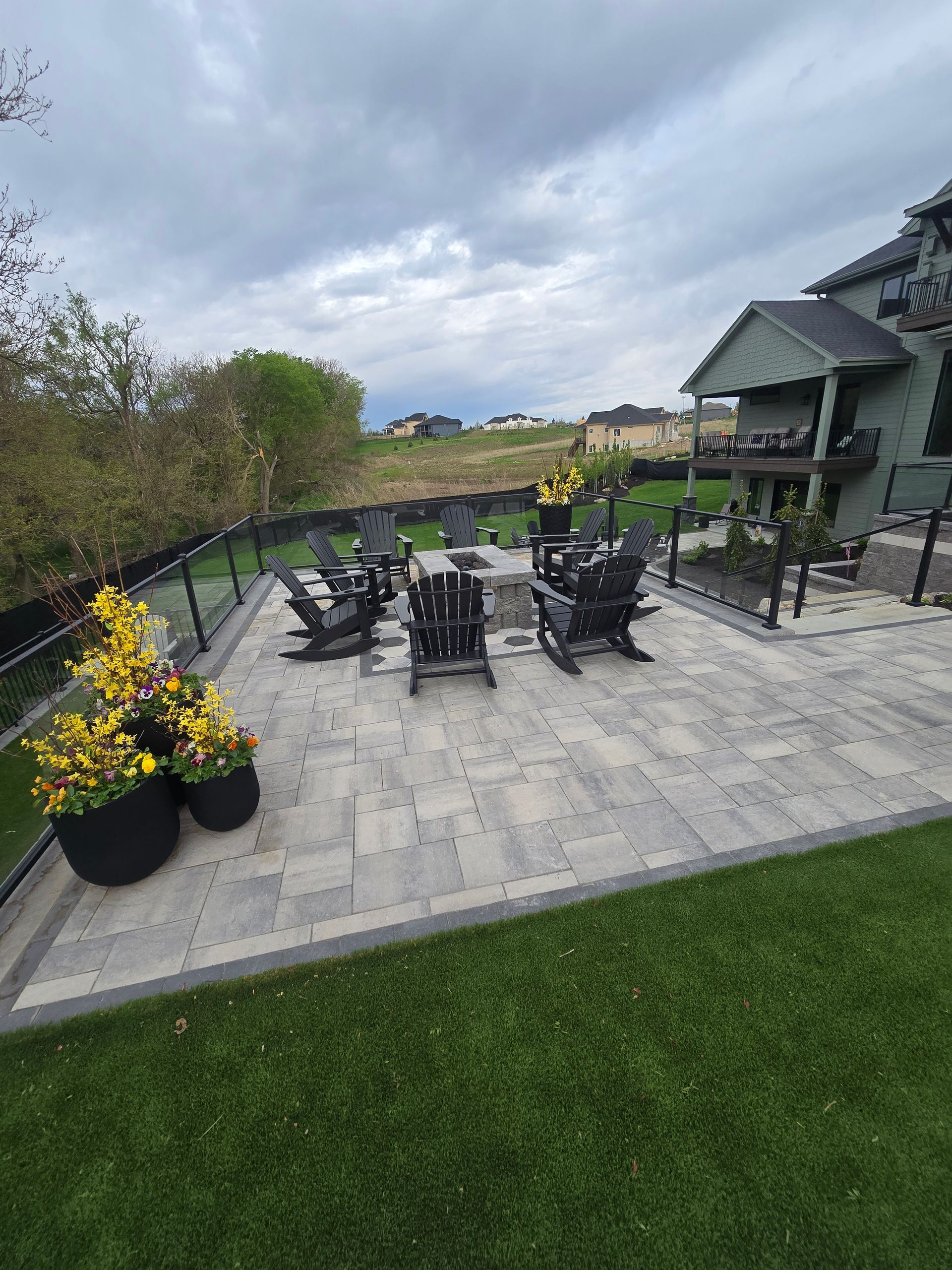
A healthy Omaha lawn needs two things: a solid start and a steady routine after that. Garret's Lawn Services
has served homeowners since 2015, when Garret McGahan began the business as a middle school side hustle before building it into a full company.
This guide covers what a complete lawn care program looks like once a lawn is established, and what goes into installing a brand new lawn on a fresh build lot or in place of a dead, patchy yard.
Quick Answers
What counts as complete lawn care in Omaha, NE?
Complete lawn care combines a regular mowing schedule with seasonal attention, so a lawn gets consistent height control along with the timely care it needs as Nebraska's seasons change.
Does Garret's Lawn Services install new lawns, or only maintain existing ones?
The company handles both sides of the job, installing new lawns for fresh build properties or replacing dead and patchy yards, then continuing with the mowing and maintenance that keeps the new lawn looking its best.
How soon can a newly installed lawn be mowed and maintained?
A newly installed lawn typically needs several weeks to root in before regular mowing begins, and a lawn care company that installs the lawn can schedule that first mowing at the right time instead of guessing.
What Does a Complete Lawn Care Program Include in Omaha, NE?
A complete lawn care program is more than showing up with a mower on the same day each week. It combines a consistent mowing routine with attention to how the lawn is doing as the seasons shift.
- A dependable mowing schedule keeps grass at a consistent height, which supports stronger roots and crowds out weeds that thrive when grass is cut too short or left too long between visits.
- Seasonal lawn care adjusts mowing frequency and cutting height as growth slows in the heat of summer or speeds up during Nebraska's cooler spring and fall stretches.
- A lawn care company that tracks a property throughout the year catches early signs of stress, such as thinning patches or uneven color, before they turn into bigger problems.
- Consistent care from one crew, rather than a different mower operator each visit, means the same set of eyes is watching how the lawn responds over time.
How Does Mowing Frequency Change Across an Omaha, NE, Growing Season?
Grass does not grow at the same rate all year, so a complete lawn care plan has to flex with the calendar rather than sticking to one fixed schedule.
- Spring growth in Omaha tends to run fast once temperatures warm, which usually calls for weekly mowing to keep pace with the lawn.
- Midsummer heat can slow cool season grass growth, so mowing frequency sometimes stretches out slightly while cutting height stays a bit taller to protect the grass from stress.
- Fall brings another active growth period as temperatures cool back down, which often means returning to a weekly schedule through the end of the season.
- A mowing service built around the actual growth pattern of the lawn, rather than a flat once-a-week schedule regardless of season, keeps the yard healthier through all three stretches.
What Is Involved in Installing a New Lawn in Omaha, NE?
Installing a brand new lawn is a different job from ongoing maintenance, whether the property is a new build with bare dirt or an older yard with a lawn that has died out.
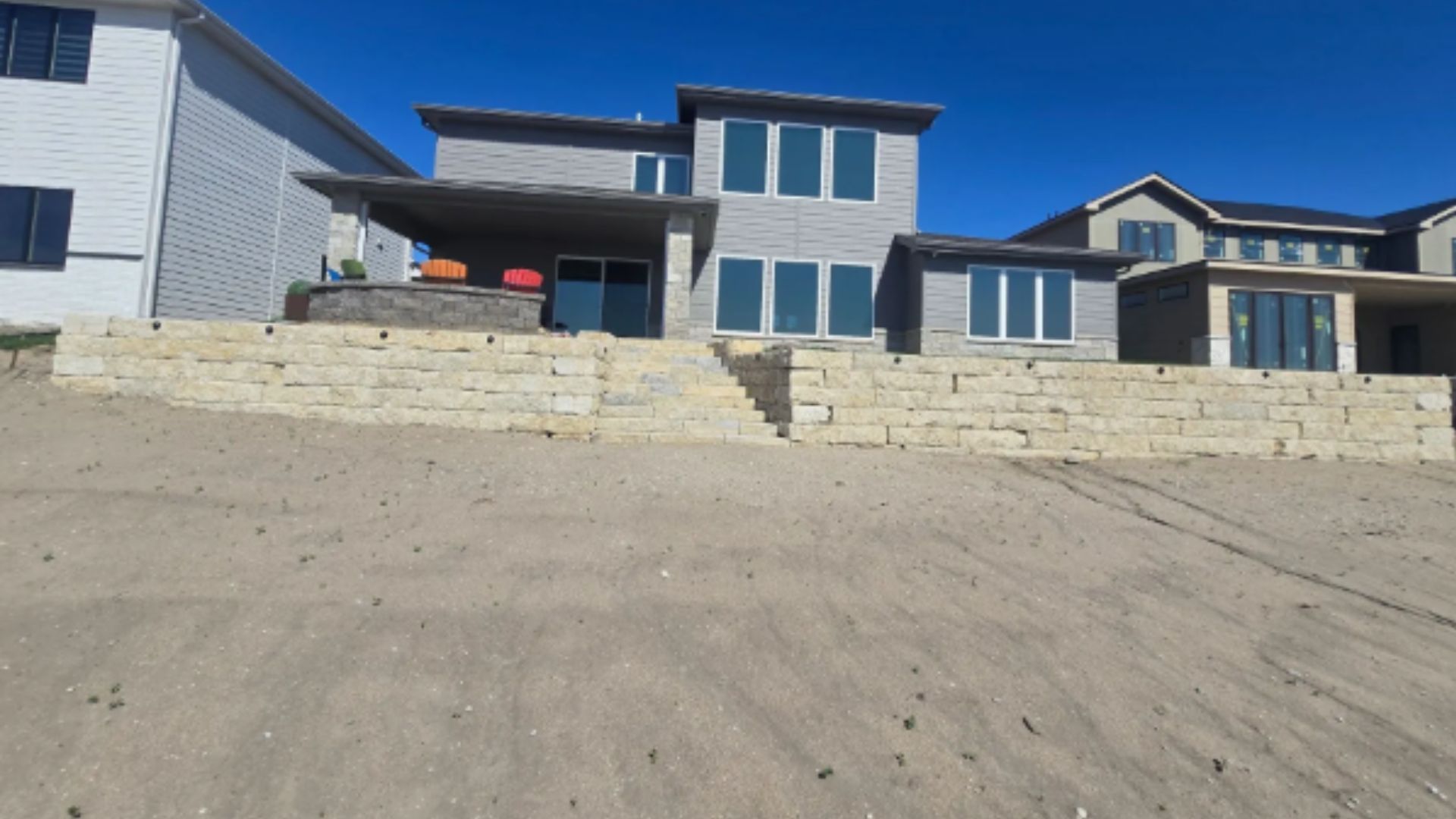
- A new construction lot usually starts with graded soil and no topsoil layer of consequence, so the ground often needs preparation before any grass goes down.
- A dead or heavily patched lawn on an established property may need the old grass and weeds cleared before new grass can take hold evenly.
- New lawn installation gives a homeowner the chance to start fresh with a grass type suited to how the yard is actually used, rather than living with whatever came with the property.
- Timing the installation around Omaha's growing season gives the new lawn its best chance to root in before extreme summer heat or winter cold sets in.
Why Should a New Build Property in Omaha, NE, Plan for Lawn Installation Early?
New construction properties often sit with bare or rough soil for months after the house itself is finished, and waiting too long to address the yard can make the eventual installation harder.
- Bare soil left exposed through a rainy stretch can erode or compact, which makes the ground less ready for a new lawn once installation day finally arrives.
- Builders and contractors working around a new home can leave construction debris or uneven grading in the yard that needs addressing before grass goes in.
- Getting a lawn installed while the rest of a new build's landscaping is still being finished keeps the whole property moving toward completion on a similar timeline.
- A new lawn installation
started at the right point in the season gives the grass a full stretch of good growing weather instead of fighting an late start.
How Does a Dead or Patchy Lawn Get Replaced With a New One?
An existing yard with large dead sections or persistent bare patches is sometimes better served by a fresh start than by patching the same problem year after year.
- Large dead areas that keep returning despite regular care often point to an underlying issue with the soil or the original grass that patchwork fixes will not solve.
- Replacing a struggling lawn means clearing out what is left of the old grass so the new lawn is not competing with dying roots or persistent weeds underneath it.
- A full replacement gives a homeowner a clean slate to correct problem areas, such as low spots that collect water or high spots that dry out faster than the rest of the yard.
- Once the new lawn is in, the same maintenance program
that would have served the old lawn can pick up right where installation left off.
How Does Ongoing Care Continue After a New Lawn Is Installed?
A newly installed lawn is not finished the day the last section of grass goes down. What happens over the following weeks and months determines how well it establishes.
- New grass typically needs a rooting-in period before it can handle regular mowing and normal foot traffic without damage.
- The first several mowing visits on a new lawn usually call for a lighter touch than a mature lawn would need, since young grass is more easily stressed by a hard cut.
- Homeowners across Omaha, Bennington, Fremont, Fort Calhoun, and Valley, NE, benefit from one company handling both the installation and the follow-up care, since the same crew already knows the lawn's history.
- A property owner ready to move forward with installation or ongoing service can reach out through the contact page
to get a plan started for the specific yard in question.
Key Takeaways
- Complete lawn care combines a consistent mowing schedule with seasonal adjustments rather than a single fixed routine year round.
- Mowing frequency in Omaha, NE, typically increases during spring and fall growth periods and can ease slightly during peak summer heat.
- New lawn installation applies to new construction properties starting with bare soil as well as established yards with dead or heavily patched grass.
- A new build property benefits from addressing bare soil and grading issues early rather than letting exposed dirt sit through a rainy season.
- Replacing a lawn with large recurring dead areas often solves problems that repeated patching cannot fix.
- A newly installed lawn needs a rooting-in period before it can handle regular mowing and normal foot traffic.
- Garret's Lawn Services, founded in 2015 and now staffed by more than 35 professionals, installs new lawns and continues the mowing and maintenance that follows across Omaha, Bennington, Fremont, Fort Calhoun, and Valley, NE.
Quick Summary
Complete lawn care in Omaha, NE, covers two related jobs: keeping an established lawn on a mowing and seasonal care schedule that matches how Nebraska grass actually grows, and installing a brand new lawn when a property needs one, whether that is a new build lot or a yard replacing dead and patchy grass.
Garret's Lawn Services, founded in 2015 by Garret McGahan and now staffed by more than 35 professionals, handles both sides of that work for homeowners across Omaha, Bennington, Fremont, Fort Calhoun, and Valley, NE, carrying a lawn from installation through the ongoing mowing and maintenance that keeps it looking its best.
Frequently Asked Questions
1. What is the difference between complete lawn care and a basic mowing service?
Complete lawn care includes a consistent mowing schedule plus attention to how a lawn's needs shift across the growing season, while a basic mowing service typically only covers cutting the grass on a set day without adjusting for seasonal changes.
2. Can Garret's Lawn Services install a new lawn on a new construction property?
Yes, the company installs new lawns for new build properties, working with the property's soil conditions to get grass established during the right stretch of the growing season.
3. Is it better to patch a dead lawn or replace it entirely?
Small isolated dead spots can sometimes be patched, but a lawn with large or recurring dead areas is often better served by a full replacement, since patchwork fixes do not address the underlying cause.
4. How long after installation until a new lawn can be mowed regularly?
A new lawn generally needs a rooting-in period of several weeks before it can handle regular mowing, and the exact timing depends on the season and how the grass is establishing.
5. Does the same company handle both lawn installation and the ongoing mowing afterward?
Yes, Garret's Lawn Services installs new lawns and continues with the regular mowing and maintenance program afterward, so one crew manages the property from installation onward.