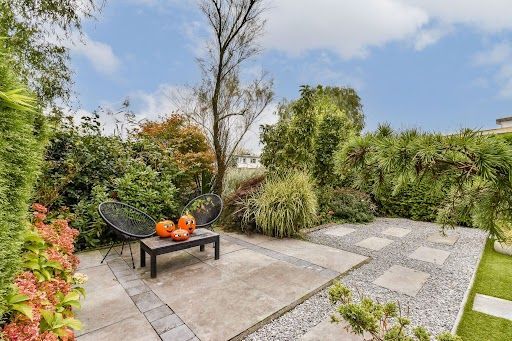
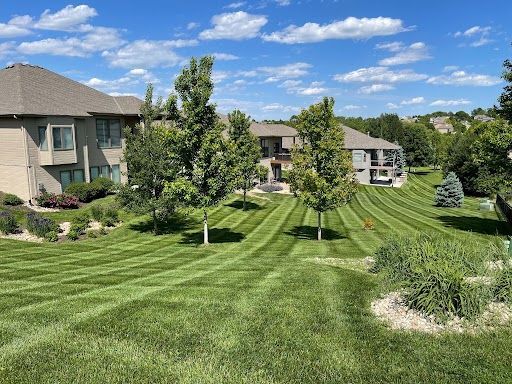
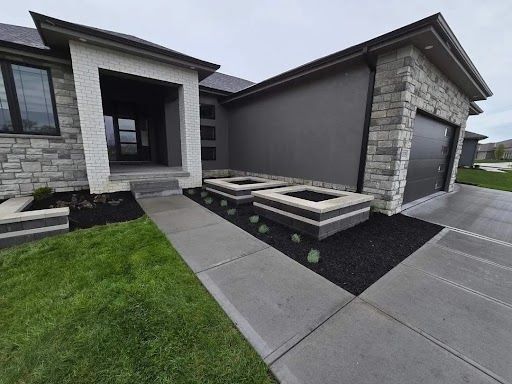
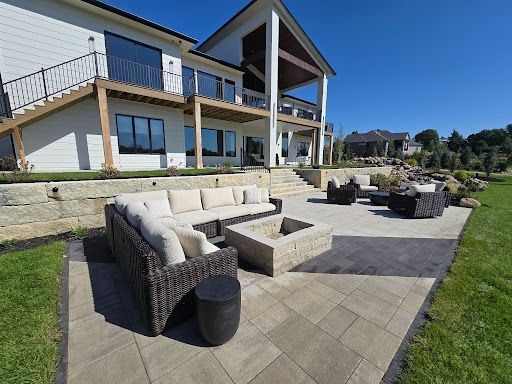
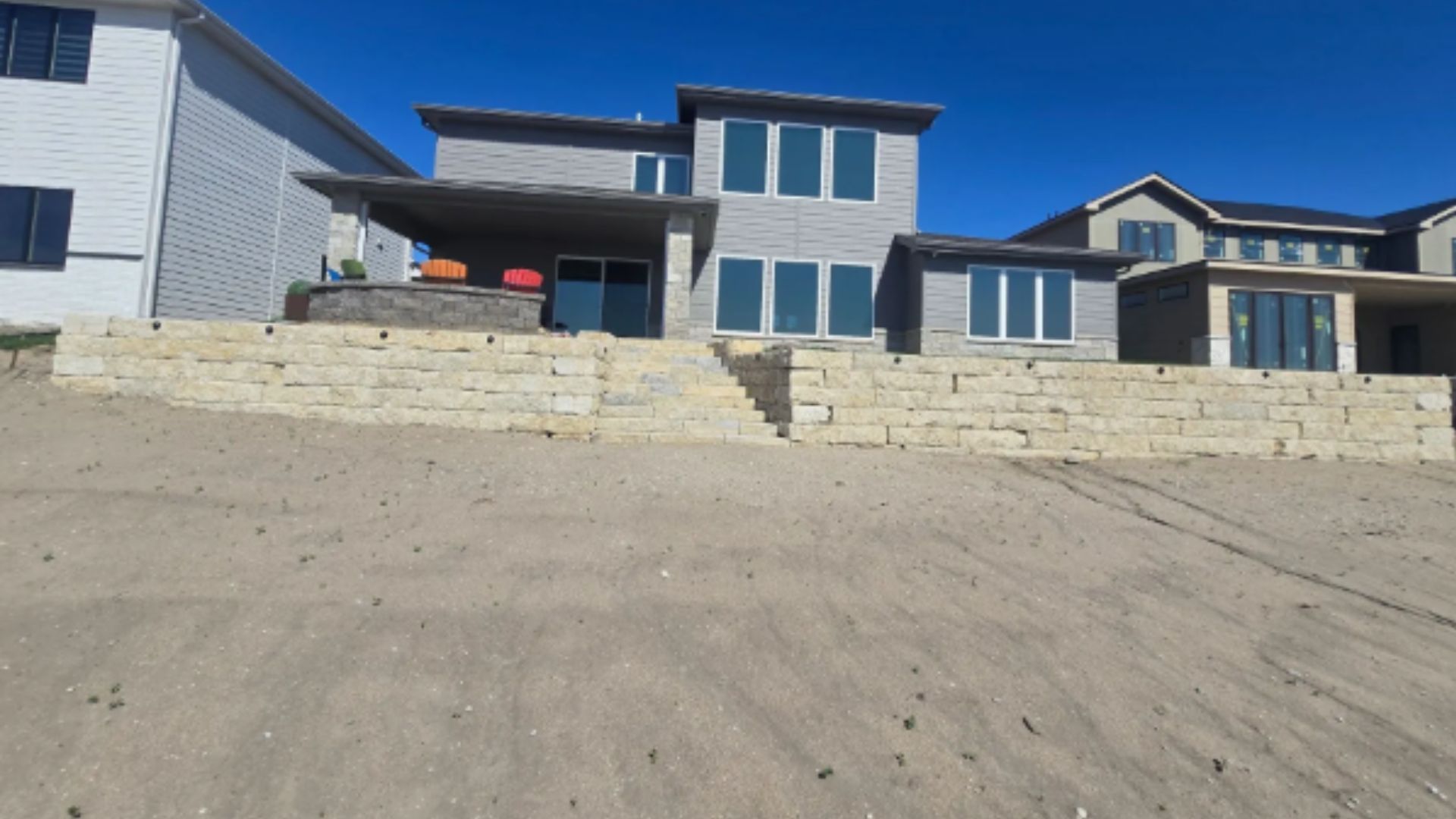
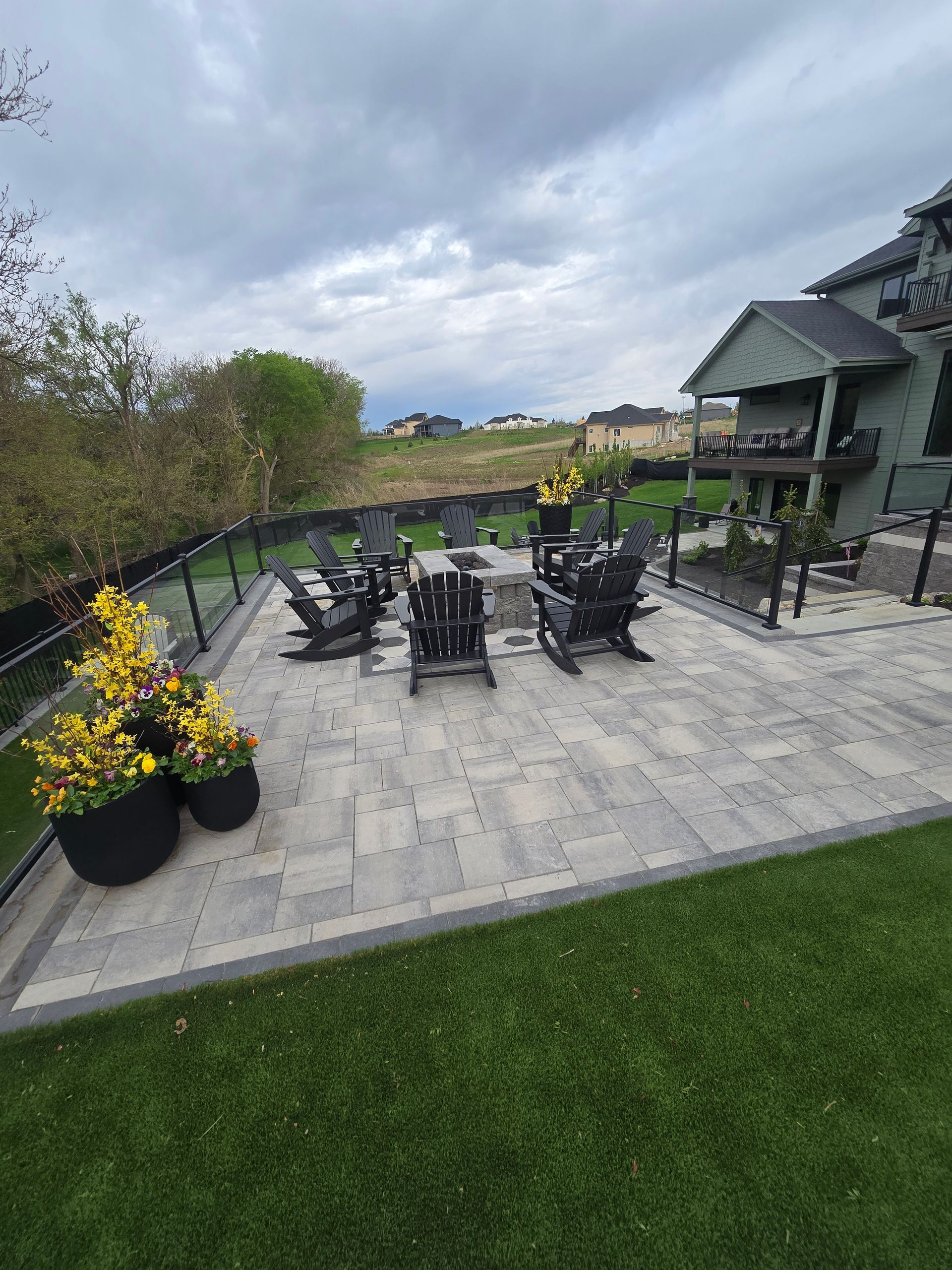
You already paid for a patio, a retaining wall, or a walkway, and now the job is keeping it in the shape you paid for. Garret's Lawn Services
provides hardscaping maintenance in Omaha, NE, that covers resealing patios, checking retaining walls, cleaning paver joints, and keeping the plant beds around those features healthy through Nebraska's freeze and thaw seasons.
This guide explains what ongoing maintenance actually involves and why skipping it costs more than the maintenance itself.
Quick Answers
What does hardscaping maintenance in Omaha, NE, actually include?
It includes resealing patios and walkways, inspecting retaining walls for shifting or bowing, cleaning and refilling paver joints, and addressing the freeze and thaw damage that Nebraska winters cause to concrete and masonry surfaces.
How often should a patio or walkway be resealed in Nebraska?
Most sealed paver and concrete surfaces in the Omaha area benefit from resealing every two to three years, though heavy foot traffic, sun exposure, and repeated freeze and thaw cycles can shorten that window.
Does landscape maintenance cover the plants around a patio or retaining wall, not just the hardscape itself?
Yes, a complete landscape maintenance program treats the hardscape and the softscape as one system, since healthy beds and controlled plant growth around a patio or wall protect the structure as much as sealing does.
Why Does Hardscaping Maintenance Matter in Omaha, NE?
A patio or retaining wall is not a one-time purchase that takes care of itself once the crew packs up. Nebraska's climate puts real stress on hardscape materials year after year, and a maintenance plan is what keeps that stress from turning into a repair bill, which is why the crew described on the company's about page
treats maintenance as a continuation of the original installation rather than a separate afterthought.
- Freeze and thaw cycles push moisture into small cracks in concrete and paver joints, and that repeated expansion and contraction is what eventually causes cracking and shifting.
- A patio or walkway that goes years without resealing loses its protective layer, which leaves the surface exposed to staining, moss growth, and faster wear.
- Retaining walls under stress from soil pressure can shift gradually, and small movement caught early is far less expensive to correct than a wall that has already leaned or bowed.
- Regular landscape maintenance services in Omaha, NE, catch these small issues during a routine visit instead of after they become visible from the street.
What Does Patio and Walkway Resealing Involve?
Resealing is one of the simplest ways to extend the life of a paver or concrete surface, but it only works when it is done on a consistent schedule.
- A fresh sealant coat blocks water absorption into pavers and concrete, which is the main driver of freeze and thaw cracking during Omaha winters.
- Sealing also helps prevent staining from grease, leaves, and dirt that would otherwise soak into unsealed paver surfaces.
- Cleaning the surface thoroughly before resealing removes grime and organic buildup that would otherwise get trapped underneath the new sealant layer.
- A properly sealed patio or walkway holds its color and finish longer, which keeps the surface looking close to the day it was installed.
How Should Retaining Walls Be Inspected and Maintained?
A retaining wall does real structural work, holding back soil and managing grade changes, so it deserves more attention than most homeowners give it after installation.
- Checking a wall for visible leaning, bulging, or separation between blocks is the fastest way to catch a shifting problem before it worsens.
- Drainage behind a retaining wall needs to keep functioning properly, since trapped water and hydrostatic pressure are common causes of wall movement over time.
- Small gaps or cracks between wall blocks are worth addressing early, since Nebraska's freeze and thaw cycles can widen a minor gap into a structural issue within a season or two.
- The hardscaping and landscaping team at Garret's Lawn Services
can evaluate an existing retaining wall and recommend repairs before minor shifting becomes a rebuild.
Why Does Paver Joint Maintenance Matter for Patios and Walkways?
The joints between pavers do more work than most people realize, and neglecting them is one of the fastest ways a hardscape feature starts to look worn.
- Sand or polymer joint material locks pavers in place, and joints that erode over time let individual pavers shift, rock, or settle unevenly.
- Weeds and grass that take root in open paver joints widen the gaps further and make the entire surface look neglected even when the pavers themselves are fine.
- Cleaning debris out of paver joints before refilling them helps the new joint material bond properly and resist washing out during heavy rain.
- Consistent paver joint maintenance keeps a patio or walkway surface stable underfoot, which matters as much for safety as it does for appearance.
How Does Nebraska's Freeze and Thaw Cycle Affect Hardscape Maintenance Timing?
Nebraska's weather swings from hard freezes to warm spells and back again multiple times each winter, and that pattern shapes when hardscaping maintenance should happen.
- Late fall inspections, before the ground freezes solid, give a maintenance crew the best chance to catch cracks or joint erosion before winter moisture makes repairs harder.
- Spring is typically the best time for resealing, since the surface needs to be dry and temperatures need to stay above freezing long enough for sealant to cure properly.
- Repeated freeze and thaw cycles through an Omaha winter are exactly why a hardscape surface that looked fine in November can show new cracks by March.
- Homeowners enrolled in a maintenance program through Garret's Lawn Services
get these seasonal checkpoints built into their schedule instead of having to track the timing themselves.
How Does Softscape and Bed Maintenance Protect the Hardscape Around It?
The plant beds bordering a patio or retaining wall are not just decoration. They directly affect how well the surrounding hardscape holds up.
- Overgrown plants and root systems pushing against a patio edge or retaining wall can gradually force pavers or wall blocks out of position.
- Seasonal bed cleanup, including removing dead plant material and controlling weed growth, keeps organic debris from washing onto and staining nearby paved surfaces.
- Proper drainage through a plant bed prevents water from pooling against a retaining wall's base, which is one of the more common causes of long-term wall movement.
- Treating hardscape and softscape maintenance as one coordinated plan, rather than two separate jobs, is how a landscape stays consistent from the lawn to the patio to the wall.
Key Takeaways
- Hardscaping maintenance protects the investment already made in a patio, walkway, or retaining wall rather than requiring a replacement later.
- Nebraska's freeze and thaw cycles drive most of the cracking and shifting seen in patios, walkways, and retaining walls across the Omaha area.
- Resealing a patio or walkway every two to three years blocks water absorption and prevents staining before it starts.
- Retaining walls need periodic inspection for leaning, bulging, or joint separation, since small movement is far cheaper to correct early.
- Paver joints filled with sand or polymer material keep individual pavers locked in place and resistant to weed growth.
- Late fall inspections and spring resealing line up with Nebraska's weather patterns for the most effective hardscape maintenance timing.
- Bed maintenance and controlled plant growth around hardscape features prevent root pressure and drainage issues from undoing the hardscape itself.
Quick Summary
Hardscaping maintenance in Omaha, NE, protects the money already invested in a patio, retaining wall, or walkway by addressing the specific ways Nebraska's freeze and thaw cycles wear down concrete and masonry.
Resealing surfaces, inspecting retaining walls for shifting, and cleaning out paver joints all need to happen on a regular schedule, not just when a problem becomes visible. Garret's Lawn Services pairs that hardscape care with softscape and bed maintenance around those same features, since overgrown plants and poor drainage can undo hardscape work just as easily as a missed sealing cycle.
Frequently Asked Questions
1. How do I know if my retaining wall needs professional attention?
Visible leaning, bulging, gaps widening between blocks, or water pooling at the base are all signs a retaining wall should be inspected before the movement gets worse.
2. Can hardscaping maintenance be added to an existing landscape maintenance plan?
Yes, hardscape care such as resealing and joint maintenance can be scheduled alongside routine landscape maintenance services so both the hardscape and the surrounding plant beds stay on the same visit schedule.
3. What happens if paver joints are left unmaintained for several years?
Unmaintained joints erode, allowing pavers to shift, rock, or settle unevenly, while weeds and grass take root and widen the gaps further.
4. Is spring or fall a better time to schedule hardscape maintenance in Omaha, NE?
Fall works well for inspections before the ground freezes, while spring is generally the better window for resealing once temperatures stay consistently above freezing.
5. Does Garret's Lawn Services handle both the hardscape and the plant beds around it?
Yes, maintenance visits can cover both the hardscape elements, like patios and retaining walls, and the softscape elements, like plant beds, as one coordinated service.